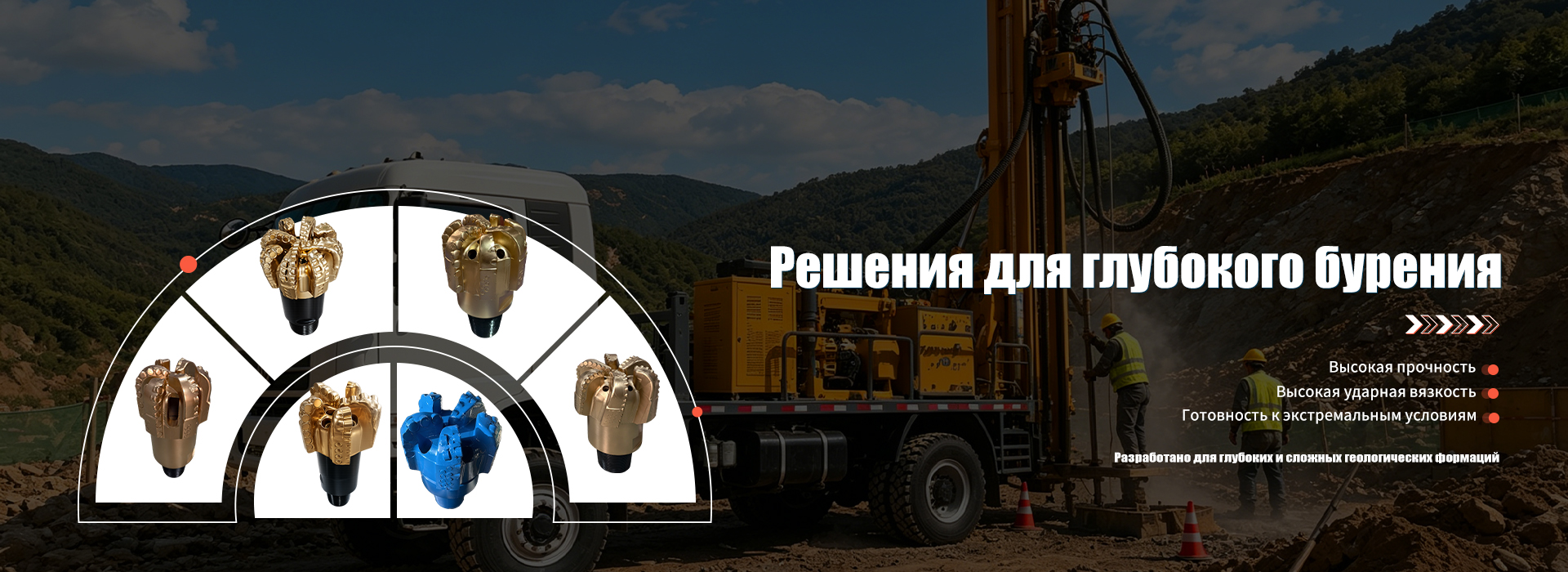
Learn everything you need to know about using drill bits: different types of drill bits, choosing the right size, safety precautions, and how to troubleshoot common problems.
1. Understanding the different types of drills
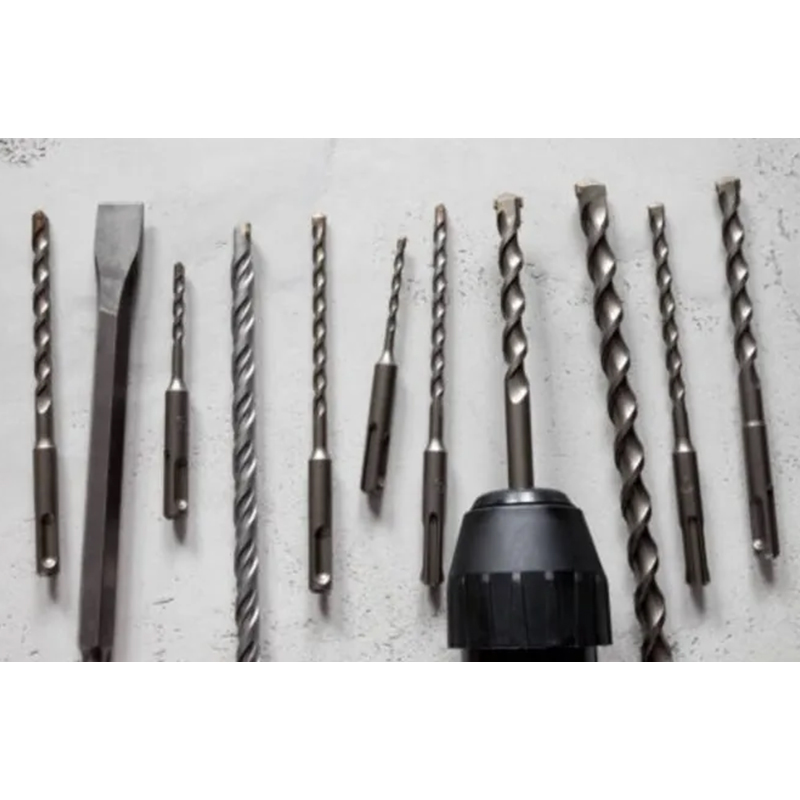
When using drills, it is important to understand that there are many types, each designed for specific tasks. Common ones include twist drills, construction drills, spade drills, saw drills, and Forstner drills. Screw drills are the most commonly used and are suitable for drilling wood, metal and plastic; Construction drills, on the other hand, are specifically designed for drilling into concrete, brick, and stone. By understanding the different types of drills, you can choose the right one for your specific project.
2. Selecting a drill of the appropriate size
Selecting the appropriate drill size is critical to achieving the desired results. Drill bits are available in a variety of sizes, usually measured in fractions of inches or millimeters. The size of the drill bit you choose depends on the diameter of the hole that needs to be drilled. An important thing to keep in mind is that a drill bit that is too small will result in a hole that is too small, while a drill bit that is too large can damage the material you are drilling into. Take time to measure and select the appropriate sized drill bit for your project.
3. Preparation of the work area
Before using the drill, the work area must be carefully prepared to ensure safe and efficient operation. Remove any objects, debris or debris located near the drilling area. When drilling into a wall or other surface, make sure there are no electrical wires or water pipes behind it. Using a fastening bolt detector or wire detector will help identify potential hazards. It is also recommended to use safety glasses and gloves to protect against flying debris.
4. Hole designation
When using a drill, it is important to accurately mark the location where the hole needs to be made. This will ensure high accuracy and help avoid unnecessary errors. To do this, you can use a pencil or marker to make a small dot or cross where the hole is. For more accurate drilling, it is also recommended to use a central pin - it creates a small depression in the material, which serves as a guide for the drill.
5. Using the correct drilling technique
Proper application of drilling technique is critical to the effective use of the drill pin. Start with the pin set perpendicular to the surface you are penetrating. Apply constant pressure and start drilling at a slow speed. Gradually increase the speed as the pin penetrates the material. Avoid using excessive force or too much pressure as this may cause overheating or damage to the pin. It is also important to periodically remove the pin from the well to remove waste and prevent overheating.
6. Lubricating the drilling tool
In some cases, especially when drilling metal or other hard materials, it may be necessary to lubricate the drilling tool. Lubrication reduces friction and heat, improving tool performance and extending tool life. There are many specialty lubricants designed specifically for use with drilling tools. Apply a small amount of lubricant to the drill bit before drilling and reapply periodically as needed.
7. Keeping the drill bit sharp
A sharp drilling tool is essential for efficient and accurate drilling. Over time, drilling tools can become dull, slowing down the drilling process and increasing the risk of the tool becoming stuck in the material. To keep your tools sharp, it is important to polish them regularly. To do this, you can use specialized devices for grinding drilling tools or a table grinder and grinding stones. In this case, it is necessary to strictly follow the manufacturer’s instructions and take all necessary safety measures.
8.Safety Precautions
When using drills, safety must be a top priority. Always wear appropriate protective equipment: safety glasses, gloves and, if necessary, ear protection. Avoid loose clothing or jewelry that could get caught in the drill. Keep your fingers away from the drill and do not touch it immediately after use - it may be hot. Also be sure to unplug the drill or remove the battery when changing drills or performing any maintenance work.
9. Proper storage of drill bits
To prolong the life of your drill bits and keep them in good condition, it is important to store them correctly. Avoid placing drill bits in tool bags or drawers as this may result in damage or loss. It is recommended to use a special container or organizer for storing drill bits: it will protect them and make it easy to find the necessary tools. Before storing, be sure to clean and dry drill bits to prevent rust and corrosion.
10. Troubleshoot common problems
Even when using a drill correctly, common problems can occur, such as the drill becoming damaged or getting stuck in the material. If the drill bit breaks during operation, stop drilling immediately and carefully remove any remaining fragments. To prevent the drill bit from getting stuck, use the appropriate size and type of drill bit for the specific material. Excessive force or drilling at an angle also increases the risk of the drill bit getting stuck. If the drill rod is stuck, try turning the drill over to remove it, or carefully remove it with tweezers.