Find the right drill bits for a variety of materials with our comprehensive guide: From wood and metal to masonry and glass, we've got you covered.
Drill Heads for Various Materials: A Complete Guide
In the drilling field, it is critical to use the right tool for the job at hand. When drilling into different materials, the same type of drill bit is not suitable in all cases - each material requires a specific drill bit to provide the best results. In this article, we'll look at the different types of drill bits for different materials and give you all the information you need to choose the best option for your project.
1. Wood drill bits
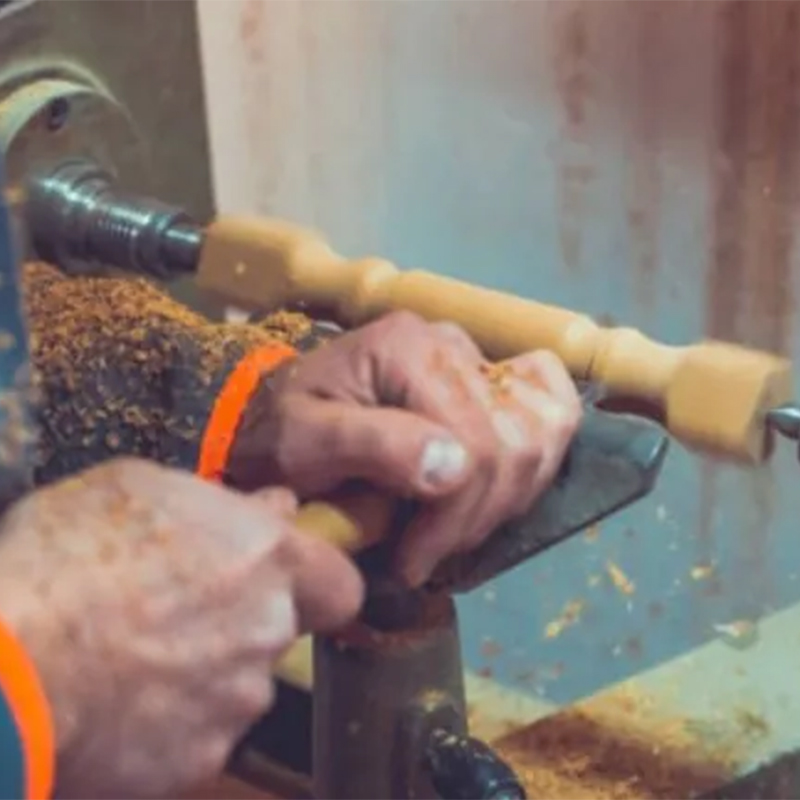
When working with wood, it is extremely important to use a drilling tool specifically designed for this material. Wood drill bits are typically made from high speed steel (HSS) or carbon steel; They feature a sharp tip and a wide spiral flute profile that helps effectively remove wood chips during drilling. These tools are available in a variety of sizes and are suitable for both drilling holes and creating pilot holes for screws.
When drilling into wood, drill bits should be used at a low speed to prevent splinters and ensure a clean hole. It is also recommended to use a center punch to create a small indentation in the surface of the wood before drilling.
2. Metal drill heads
Drilling into metal requires a special type of drill bit. Metal drill bits are typically made from high strength steel (HSS) or cobalt steel. They have a short flute and a more pronounced tip angle than wood drills, allowing for easy cutting of metal. These drills are available in a variety of coatings—such as black oxide or titanium—that reduce heat and friction while drilling.
When drilling into metal, it is important to use a lubricant—such as cutting oil or lubricating spray—to keep the drilling tool cool and extend its life. It is also recommended to start with a smaller test hole before changing to a larger drill to help avoid excessive heat and ensure high accuracy.
3. Drills for brick construction
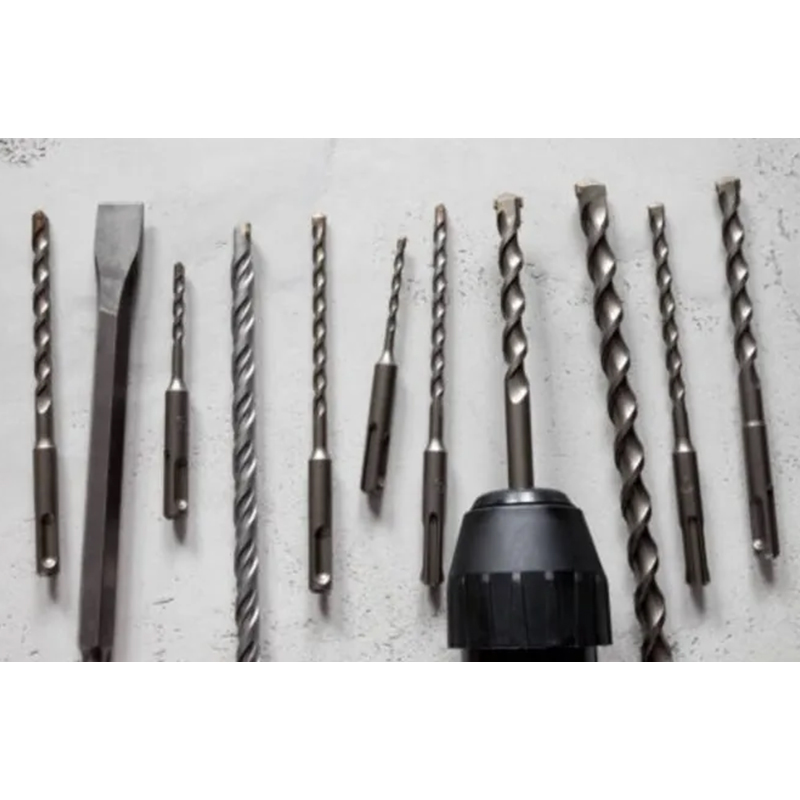
To drill into materials such as concrete, brick or stone, stone drilling tools are required. These tools are made from tungsten carbide, a tough and durable material that can withstand the rigors of drilling on hard surfaces. Their tip has a characteristic arrow shape, which ensures effective penetration into stone materials.
When using drill bits for masonry, it is important to apply constant pressure and use a hammer drill or rotary hammer for more efficient drilling. Using a conventional drill head may cause overheating or damage to the head.
4. Drill heads for glass and tiles
Drilling into thin materials such as glass and tile requires special drilling tools to prevent cracks or damage to the surface. Glass and tile drilling tools are made from tungsten carbide or diamond, which provides excellent cutting ability and high durability.
When drilling through glass or tile, it is important to use a low drill speed and apply gentle pressure to avoid damaging the material. Using water as a lubricant helps keep the drilling tool cool and prevents it from overheating.
5. Multi-tasking drill bits
For those who work with a variety of materials, universal drill bits provide a multi-functional option. They are designed to drill into a wide variety of materials - wood, metal, masonry and plastic. Most often, these drills are equipped with a combination of different cutting edges or coatings that allow you to effectively work with different types of materials.
While utility drills are suitable for cutting a variety of materials, they may not provide the same level of performance as specialty drills. If you regularly work with certain materials, it is recommended to purchase specialized drill bits for best results.
6. Drill heads for chamfers
Socket drills are used to create a hole in which screws or bolts fit tightly into the surface. They are widely used in woodworking and are available in different sizes to accommodate different screw diameters. These drills are usually equipped with a combination of drilling and deepening flutes to ensure clean and precise hole formation.
When using socket drills, it is important to accurately align the drill bit with the screw or bolt and apply constant pressure to obtain a level surface.
7. Stepping drill bits
Step drills, also known as tapered or unibit drills, are specially designed to drill different sized holes in a single operation. They are equipped with a stepped profile with several cutting edges, the diameter of which gradually increases. Such drills are widely used when drilling holes in sheet metal, plastic and other thin materials.
When using step drills, it is important to apply constant pressure and use a low drilling speed to prevent overheating and ensure a clean hole.
8. Forstner brand drilling tools
Forstner drills are ideal for drilling holes with a flat bottom and smooth walls. They are cylindrical in shape with a central tenon and cutting edges that cut the wood fibers when rotated. These drills are widely used in woodworking to create holes for pins, hinges and other metal parts.
When using Forstner brand drills, it is important to use a drill bit for better control and accuracy. To obtain clean and accurate results, it is recommended to drill slowly and consistently.
9. Auger brand drill pins
Auger drilling tools are designed for drilling deep holes in wood. They have a spiral groove that helps remove debris and debris while drilling. Such tools are widely used when performing work to create holes for plumbing or electrical systems.
When using twist drills, it is important to use a low cutting speed and constant pressure to avoid the drill bit getting stuck or damaged by the wood surface.
10. Diamond drilling tools
Diamond drills are used for drilling hard materials such as glass, porcelain or granite. They are coated with diamond grains for high cutting performance and durability. Such drills are widely used in the construction and jewelry industries.
When using diamond drills, it is important to use a low cutting speed and use water as a lubricant to prevent overheating and ensure smooth drilling progress.
Conclusion
Selecting the right drill bit for a specific material is critical to achieving the best results. Whether you're perforating wood, metal, masonry, glass or other materials, there is a specialized drill bit to suit your needs. By understanding the different types of drills available and following recommended drilling techniques, you can ensure a successful and efficient job.