Learn key tips for preventing accidents and maintaining optimal safety during oil and gas drilling operations. Comprehensive training, regular inspections, effective communication, proper equipment maintenance and emergency preparedness.
Introduction:
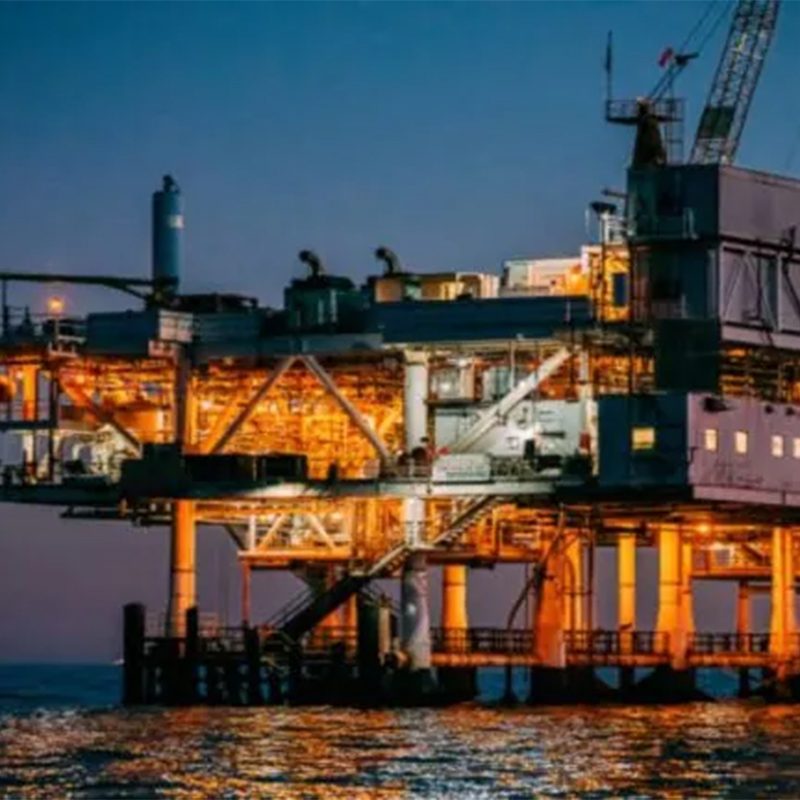
Oil and gas drilling operations are complex and potentially dangerous activities that require strict adherence to safety regulations. The importance of maintaining optimal safety during such work cannot be overemphasized. Accidents in the oil and gas industry can have devastating consequences for both workers and the environment. In this article, we will look at key recommendations for preventing accidents and ensuring safety during oil and gas drilling operations.
1. Comprehensive education and training
One of the fundamental aspects of ensuring safety during oil and gas drilling operations is the provision of comprehensive education and training for all personnel involved. This applies not only to drilling operators, but also to support personnel and contractors. Proper training ensures that everyone understands the potential risks and knows how to effectively mitigate them.
2. Regular security checks and audits
Regular safety inspections and audits are necessary to identify potential hazards and ensure compliance with safety protocols. Such inspections should cover all aspects of the drilling operation, including equipment, site conditions and worker behavior. By performing these checks on a regular basis, potential problems can be addressed in a timely manner, reducing the risk of accidents.
3. Effective communication and coordination
Clear and effective communication is critical in oil and gas drilling operations. All personnel involved must have a clear understanding of their roles and responsibilities and the safety procedures in place. Regular communication and coordination meetings should be held to resolve any issues or changes in the operation.
4. Proper maintenance and inspection of equipment
Regular maintenance and inspection of drilling equipment is vital to ensure safe and efficient operation. Equipment failure can lead to accidents and downtime, which can have serious financial and operational consequences. Implementing a preventive maintenance program and conducting regular inspections helps identify and correct potential problems before they escalate.
5. Appropriate personal protective equipment
Providing workers with appropriate personal protective equipment is essential to their safety. This includes items such as hard hats, safety glasses, gloves and protective clothing. All personnel must be trained in the proper use and maintenance of personal protective equipment to ensure maximum effectiveness.
6. Preparedness to respond to emergencies
Accidents can happen despite the best preventive measures. Therefore, it is essential to have a well-developed emergency response plan. This plan should include procedures for dealing with various types of emergencies, such as well blowouts, fires, and chemical spills. Regular drills and drills should be conducted to familiarize all personnel with emergency response protocols.
7. Environmental measures
Oil and gas drilling operations can have an impact on the environment if they are not managed properly. The implementation of environmental protection measures is necessary to prevent accidents and minimize any adverse consequences. This includes proper waste management, spill prevention and response procedures, and compliance with environmental regulations.
8. Hazard identification and risk assessment
Conducting thorough hazard identification and risk assessment is critical in oil and gas drilling operations. This process involves identifying potential hazards, assessing their likelihood and possible consequences, and implementing appropriate control measures. Regular reassessment should be carried out as new hazards arise during drilling operations.
9. Regular training and exercises
Maintaining safety during oil and gas drilling operations requires ongoing training and drills. Refresher training should be conducted periodically to ensure all personnel are up to date with the latest safety procedures and best practices. Exercises should simulate real-life scenarios to test the effectiveness of emergency response plans and identify areas for improvement.
10. Continuous improvement and learning culture
Finally, maintaining optimal safety in oil and gas drilling operations requires a culture of continuous improvement and learning. This includes encouraging employee feedback, conducting incident investigations, and implementing corrective measures to prevent similar incidents in the future. It also means keeping up with industry advancements and implementing new technologies and practices that improve safety.