Learn about the key factors to consider when choosing the right drill bit for your project. Explore different types, sizes, coatings and safety considerations to achieve accurate and efficient drilling results.
1. Understand the importance of choosing the right drill bit
When it comes to drilling, using the right drill bit is critical to achieving accurate and efficient results. Whether you are a hobbyist or a professional, understanding the different types of drill bits and their applications is key. In this article, we will look at the various factors to consider when choosing the right drill bit for your project.
2. Various types of drill bits
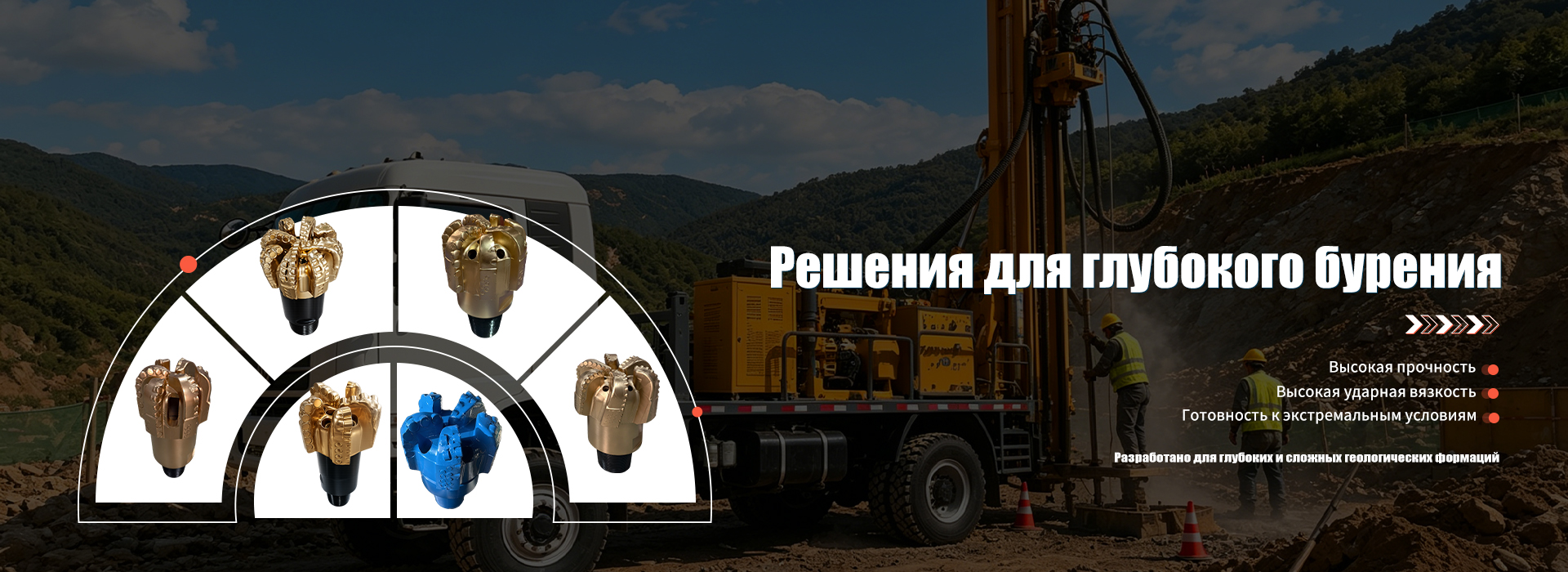
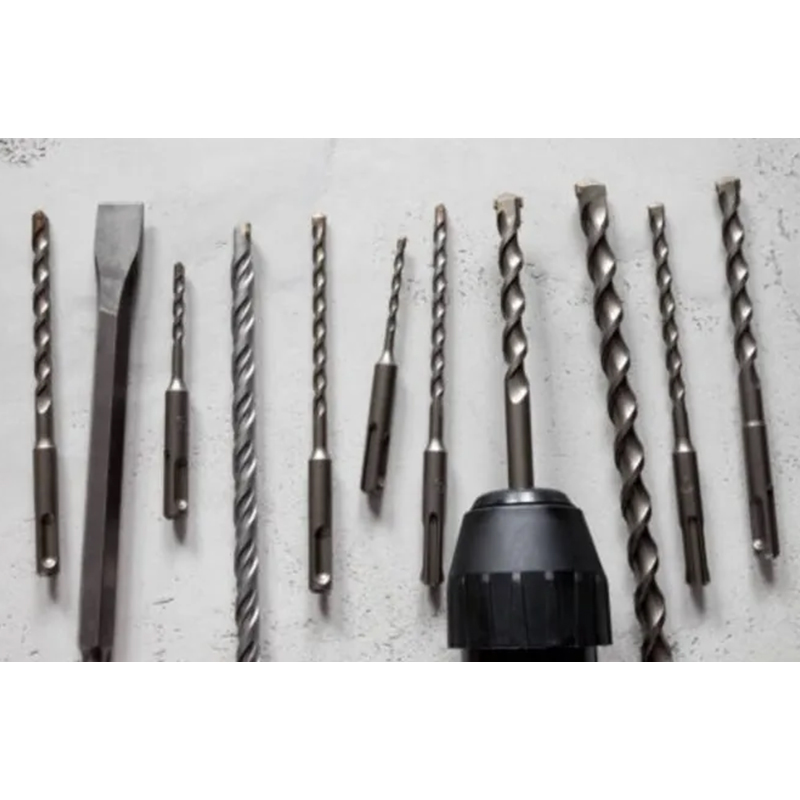
Drill bits come in many different types, each designed for specific materials and drilling tasks. Some of the most common types include twist drills, masonry drills, flat point drills, core drills, and Forstner drills. Understanding the purpose and features of each type will help you make an informed decision.
3. Consider the material you are working with
One of the main considerations when choosing a drill bit is the material you are going to drill into. Various drill bits are specially designed for wood, metal, concrete or other materials. For example, masonry drill bits have a carbide tip for drilling concrete, while high speed steel drill bits are ideal for drilling metal.
4. Match the bit size to the task
The size of the drill bit is another important factor to consider. Drill bits are available in a variety of sizes, usually measured in fractions of an inch or millimeters. Selecting the correct size is critical to creating the desired hole diameter. Using a chisel that is too small or too large can result in inaccurate holes or even damage to the material.
5. Understanding Groove Designs
The design of a drill bit's flutes affects its ability to remove material and dissipate heat. Different flute designs work better with certain materials and drilling applications. For example, standard two-flute twist drills are suitable for general purpose drilling, while four-flute twist drills are more effective when drilling in harder materials.
6. Importance of bit coatings
Many drill bits have coatings that improve their performance and durability. Titanium nitride (TiN), titanium aluminum nitride (TiAlN), and black oxide are common coatings used to reduce friction, increase hardness, and extend bit life. Understanding the benefits of different coatings can help you select the right drill bit for your specific application.
7. Specialized bits for specific tasks
In addition to standard drill bits, there are specialized bits designed for specific applications. For example, countersink drills create a conical socket to accommodate screw heads, while step drills are ideal for creating multiple hole sizes with a single bit. Based on the specific requirements of your project, you can choose the right drill bit to get the job done efficiently.
8. Shank types and compatibility
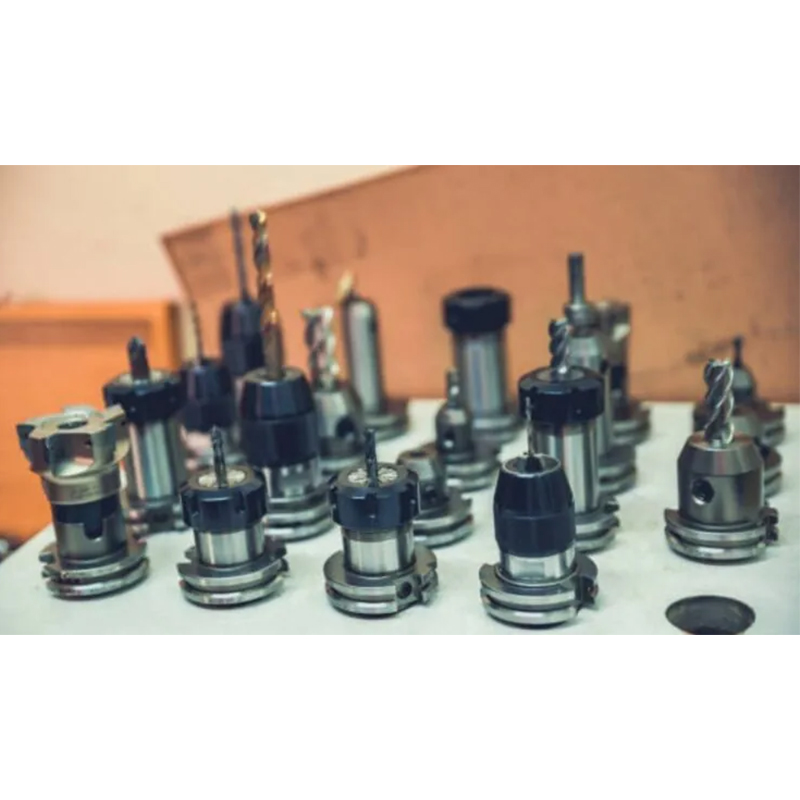
The shank is the part of the drill bit that fits into the drill chuck. It is important to ensure compatibility between the drill bit shank and the drill chuck. Most drill bits have a cylindrical shank, while others, such as hex shanks, are designed for use with certain power tools. Selecting the correct liner type is critical to reliable and efficient drilling.
9. Security issues
When using drill bits, safety should always be a top priority. Make sure you wear appropriate safety equipment, such as safety glasses and gloves, to protect you from flying particles. Also, follow the manufacturer's recommendations for speed and feed to prevent overheating and breakage. Taking the necessary precautions will help you avoid accidents and achieve successful results.
10. Invest in quality drill bits
Finally, investing in high-quality drill bits is essential for long-term performance and reliability. While cheaper drill bits may seem attractive, they often wear out quickly and produce poor results. High-quality bits, on the other hand, are made from superior materials and undergo precise manufacturing processes. They may cost more initially, but they will save you time, effort, and money in the long run.