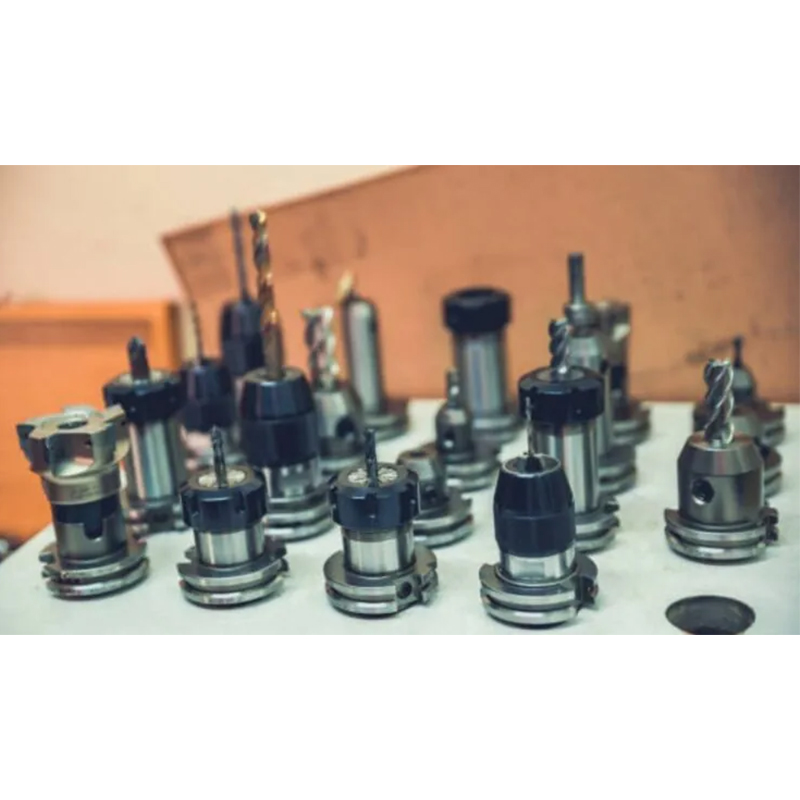
Learn about the different types of drill bits and their uses in this complete guide. From twist drills to PCB drills, find the right tool for your project.
Introduction
Drill bits are essential tools for any amateur or professional enthusiast. They come in a variety of shapes, sizes and materials, each designed for specific applications. In this complete guide, we'll look at the different types of drill bits and their applications, helping you choose the right bit for your project.
1. Twist drills
Twist drills are the most common type and are suitable for a wide range of applications. They have a spiral flute that ensures efficient chip removal. These drill bits are usually made from high-speed steel or cobalt, making them durable and suitable for drilling into a variety of materials such as wood, metal and plastic.
2. Drills with centering point
Pointed drill bits are mainly used for drilling wood. They have a sharp, pointed point that helps position the drill accurately and prevents it from drifting. These drill bits also have two scorers that cut clean, precise holes in wood without causing chips.
3. Masonry drills
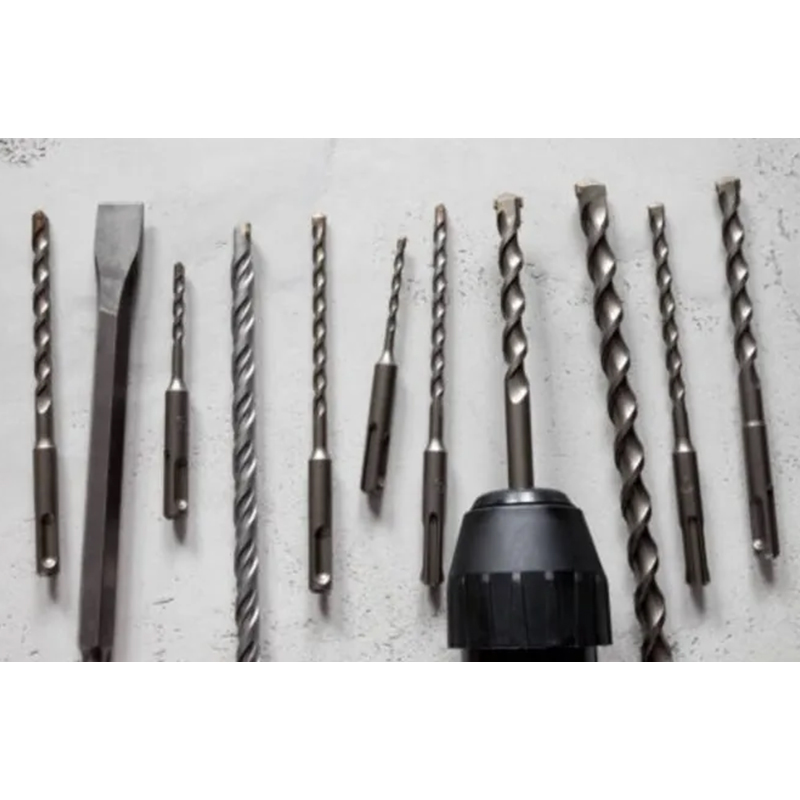
Masonry drills, also known as concrete drills, are designed for drilling into hard materials such as concrete, brick or stone. These drill bits have a carbide tip that can withstand the high heat generated when drilling into these materials. They often have a grooved design to facilitate particle removal.
4. Flat feather drills
Flat point drill bits are used to drill large holes in wood. They have a flat, paddle-style tip that cuts through material quickly. These drill bits are typically used to create holes for pipes or wires.
5. Forstner drills
Forstner drill bits are ideal for drilling holes with a flat bottom and smooth sides. They are commonly used in carpentry work, such as drilling holes for hinges or dowels. These drill bits have a center point and sharp cutting edges that help create clean, precise holes.
6. Core drills
Core drills are used to cut large holes in materials such as wood, plastic or metal. They consist of a cylindrical blade with teeth along the edge, which is attached to a pilot drill. Core drill bits are commonly used in plumbing and electrical work.
7. Countersink drills
Countersink drills are used to create a conical hole in the material so that the head of the screw is flush with the surface. These drill bits have a tapered cutting edge that can be adjusted to create different sized recesses. They are commonly used in carpentry and metalworking applications.
8. Step drills
Step drills are designed for drilling holes in thin materials such as sheet metal or plastic. These drills have a stepped design with several cutting edges of increasing diameter. They allow you to produce clean, precise holes without the need to constantly change drills.
9. Auger drills
Auger drills are used to drill deep, clean holes in wood. They have a helical design that helps remove wood chips while drilling. These drill bits are commonly used in carpentry projects, such as making holes for dowels or large screws.
10. PCB drills
PCB drills are designed specifically for drilling holes in printed circuit boards. These drills have a small diameter and are made from high-speed steel or tungsten carbide. They are essential tools for electronics enthusiasts or professionals.